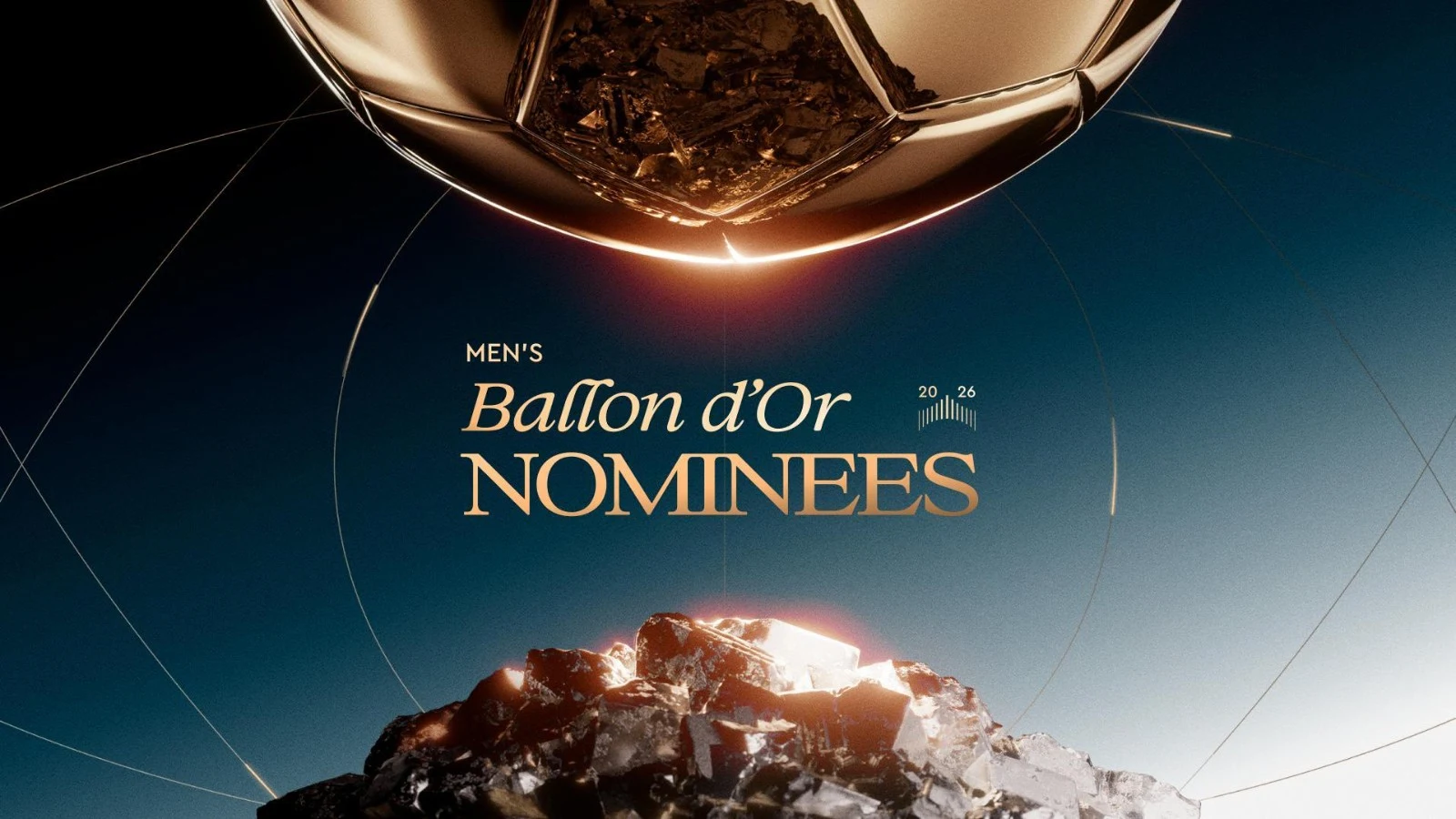
The 70th Ballon d'Or will be presented at the London Palladium on Monday 26 October, the first time the ceremony has been held in London. Harry Kane goes into it as the bookmakers' favourite, according to both Sky Sports and PA. A win would make him the first Englishman to take the award since Michael Owen in 2001.
This list ranks the ten players likeliest to win, not the ten who deserved it most. One journalist from each of the top 100 FIFA-ranked nations names ten players, scored from 15 points down to one. The regulations put individual performance first, then team achievements, then class and fair play. The voting window ran from 3 August 2025 to the World Cup final on 19 July 2026, and nothing since counts.
1. Harry Kane, Bayern Munich
Kane scored 61 goals in 51 games for Bayern Munich, 36 of them in the Bundesliga. That won him the league's scoring title for a third straight season, and the European Golden Shoe by nine goals from Erling Haaland. Add England's 12 and it is 73 in 65, a total bettered this century only by Lionel Messi's 82 in 2011/12.
The goals came with trophies: the Bundesliga, the Supercup and the DFB Cup, the first domestic cup of his career. The gap is the biggest stages. Bayern went out in the Champions League semi-finals, and Argentina came from behind to beat England 2-1 in the World Cup semi-final. England finished third, their best since 1966. Kane has since reached 100 Bundesliga goals, but that falls outside the window.
2. Lamine Yamal, Barcelona
Lamine Yamal was La Liga's player of the season, with 16 goals and a league-high 11 assists as Barcelona won the title and the Supercopa. Then he won the World Cup. In the 2-0 semi-final win over France he drew the foul from Lucas Digne that brought the opening penalty. What holds him back is that Spain won it from the back, and the individual prize went to a team-mate.
3. Kylian Mbappé, Real Madrid
Nobody had better individual numbers. Kylian Mbappé scored 42 goals in 44 games for Real Madrid, and was top scorer in La Liga with 25 and in the Champions League with 15. At the World Cup he scored ten, retained the Golden Boot and won the Bronze Ball. That took his World Cup total to 22, a record.
The problem is everything around him. Barcelona won the league, Bayern knocked Madrid out in the quarter-finals, and France finished fourth. A strict reading of the criteria gives him a case to be higher. The question is how many jurors read it that way.
4. Lionel Messi, Inter Miami
At 39, Messi took Argentina to a second straight World Cup final. He scored eight goals, added four assists, set up both goals in the comeback against England and won the Silver Ball. In December he had assisted twice in Inter Miami's 3-1 MLS Cup final win over Vancouver Whitecaps and was named MVP. The final undid some of that: Argentina did not manage a shot on target against Spain.
5. Rodri, Manchester City
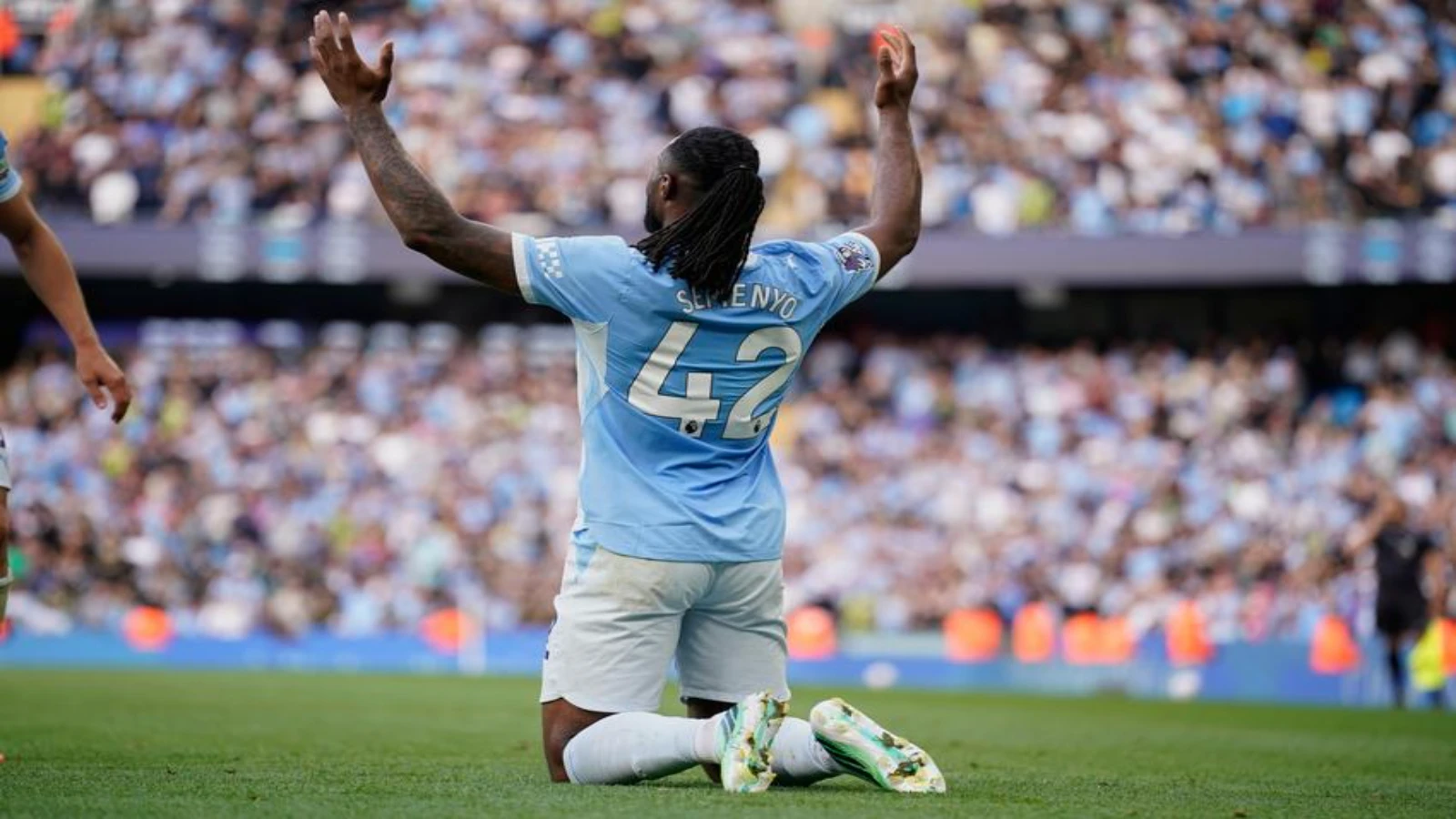
Rodri won the Golden Ball and captained Spain to the title. FIFA credited his work in front of the defence as one reason Spain conceded once in eight matches, and he completed 101 of 105 passes in the final. He also helped Manchester City win the FA Cup and the Carabao Cup before joining Barcelona in August. His case is the purest test of how much weight the jury gives the World Cup.
6. Khvicha Kvaratskhelia, Paris Saint-Germain
Khvicha Kvaratskhelia was UEFA's Champions League Player of the Season. He scored ten and set up six in 16 games as Paris Saint-Germain retained the trophy. He was also the first player to score or assist in seven straight knockout matches in one campaign. In the final he won the penalty that made it 1-1 against Arsenal, and PSG took the shoot-out 4-3. The catch is company: ten of the 30 shortlisted players are listed under PSG, so the Paris vote will be spread thin.
7. Ousmane Dembélé, Paris Saint-Germain
Dembélé, the holder, converted that penalty, and PSG won Ligue 1 as well as the Champions League. What costs him is comparison. The strongest PSG case this year belongs to his team-mate, and France's World Cup ended with defeats by Spain and England.
8. Fabián Ruiz, Paris Saint-Germain
No one in this ten has a thinner individual record than Fabián Ruiz. He is also the only one who won both the Champions League and the World Cup. He started the final in New Jersey before Pedri replaced him after 62 minutes. The medals are the whole case, and it is not a small one.
9. Michael Olise, Bayern Munich
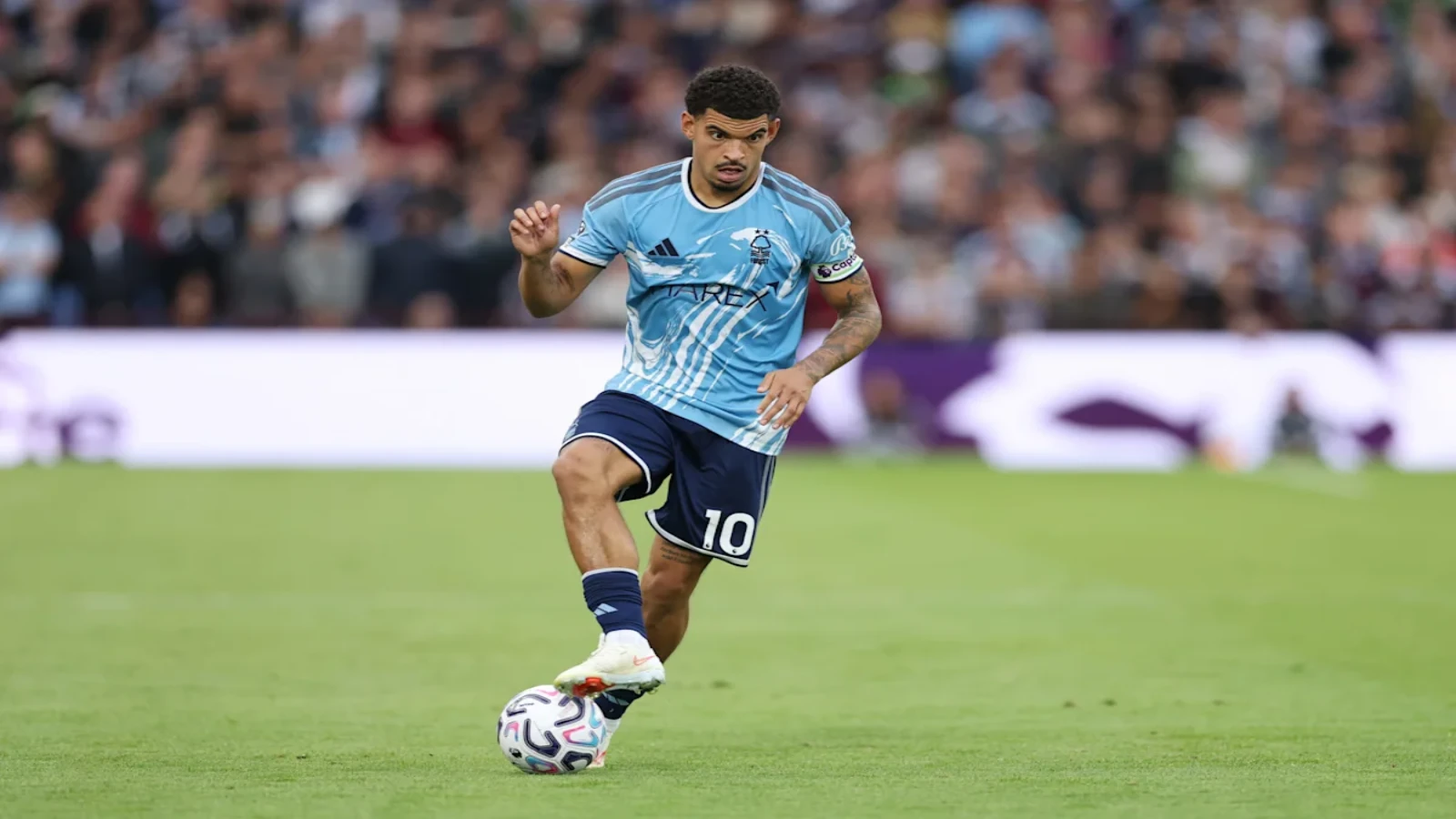
Michael Olise was the Bundesliga's player of the season and shared Kane's three trophies, with 15 goals and a league-high 19 assists. At the World Cup he set up seven goals for France, breaking Pelé's record for a single finals. On merit he belongs higher. On likelihood, he shares Bayern and France votes with players ranked above him.
10. Erling Haaland, Manchester City
Haaland won the Premier League Golden Boot for the third time in four seasons with 27 goals, and helped City to both domestic cups. At his first World Cup he scored seven. Two of them came in the 2-1 win that knocked Brazil out and took Norway to their first quarter-final. The trouble is the man at No. 1, who beat him to the Golden Shoe and went further at the World Cup.
Just outside: Lautaro Martínez, Serie A's top scorer as Inter won the Double, and Bruno Fernandes, whose 21 assists set a Premier League record.
What would change it
Nothing on the pitch. What is still moving is how 100 jurors weigh a season in which the best numbers, the biggest trophies and the World Cup landed on different players. If they follow the order of the criteria, Kane and Mbappé gain. If the World Cup carries the vote, Yamal and Rodri are the threat. The answer comes on 26 October.