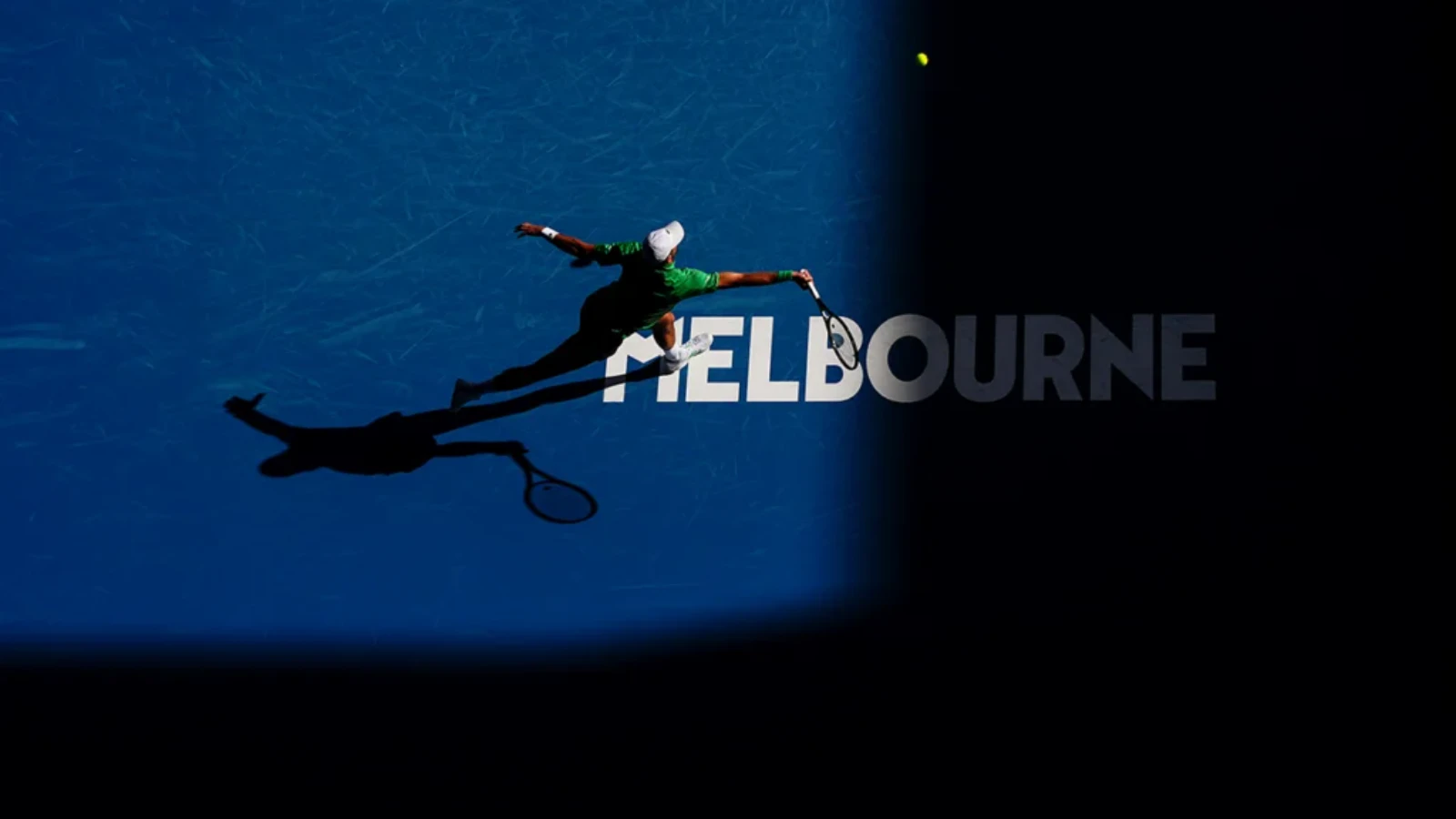
The Australian Open returns to Melbourne Park from 11 to 31 January 2027, with Carlos Alcaraz and Elena Rybakina defending the titles they won on consecutive nights at the turn of February. A season that decided its four majors largely on who was fit to play them is a better guide than any ranking published between now and January.
The men's contenders
Jannik Sinner was world No. 1 in the rankings published on 14 September, with the strongest body of work behind him: 44 wins against three defeats in 2026, six titles, a second consecutive Wimbledon and two Australian Open titles. The problem is recent. He has not played since beating Alexander Zverev in the Wimbledon final on 12 July, having withdrawn from Toronto, Cincinnati and the US Open with a right knee problem, and is due back at the China Open in Beijing, which runs from 30 September to 6 October.
Carlos Alcaraz is the champion and the shortest argument. He beat Novak Djokovic 2-6, 6-2, 6-3, 7-5 on 1 February for his first Melbourne title and, at 22, became the youngest man to complete the career Grand Slam. A wrist injury then cost him Roland-Garros and Wimbledon, and his return at the US Open ended in the quarter-finals against Ben Shelton. He was No. 3 on 14 September.
Zverev won Roland-Garros and the US Open, lost the Wimbledon final, and finished 25-2 at major level and 1,810 points behind Sinner on 14 September. His Melbourne record is better than his reputation: runner-up in 2025, and beaten in the 2026 semi-final by Alcaraz in five hours and 27 minutes, the longest semi-final in the tournament's history. Only two of his wins all season came against top-10 opponents, and asked afterwards whether that made him the best player in the world, he did not pretend otherwise.
With Jannik Sinner being injured and Carlos Alcaraz coming back from injury after four months, right now, this moment, probably yes. Both of them healthy and both of them at the top of their game, maybe not.
Alexander Zverev, after the US Open final on 13 September
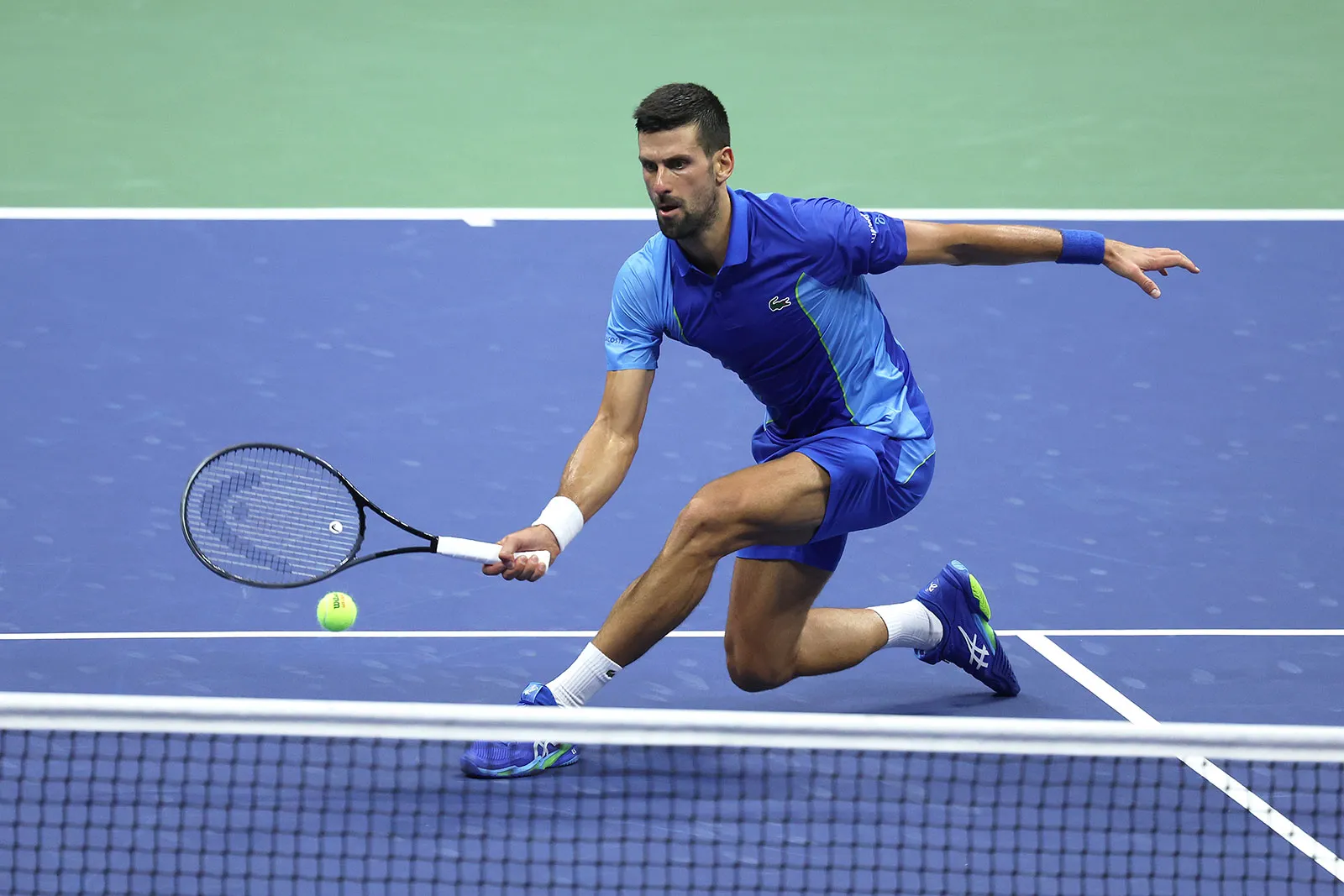
Djokovic has won this tournament ten times and reached the 2026 final at 38, beating Sinner in five sets to get there. He has since fallen to No. 12.
The women's contenders
Rybakina has the cleanest case in either draw. She won both hard-court majors in 2026 and beat Aryna Sabalenka in both finals, recovering from 0-3 in the deciding set in Melbourne on 31 January, and reached No. 1 for the first time on 14 September. The qualification is surface. She lost in the second round in Paris and the third at Wimbledon, and retired from her Cincinnati quarter-final with a left ankle problem.
Sabalenka has the better Melbourne record: champion in 2023 and 2024, and beaten in the last two finals. She was No. 2 on 14 September. Jessica Pegula and Coco Gauff were No. 3 and No. 4, both beaten by Rybakina in New York, and Iga Świątek beat Rybakina in the Canadian Open final in August.
Mirra Andreeva won Roland-Garros, her first major, and the Adelaide International in January, the last Australian hard-court title before Melbourne. Linda Nosková won her first at Wimbledon, beating Karolína Muchová in the final at 21, the youngest champion there since 2011.
The dates and the venue
Australian Open 2027 runs from Monday 11 to Sunday 31 January at Melbourne Park. Opening Week, which includes qualifying, runs from 11 to 16 January. The main draw begins on Sunday 17 January, a fourth consecutive Sunday start. The women's singles final is on Saturday 30 January and the men's on Sunday 31 January, both at night on Rod Laver Arena. Tennis Australia confirmed the dates on 23 March 2026.
What the run-in tells us
As of 20 September, Tennis Australia had announced neither the 2027 lead-in calendar nor its entry lists. In each of the last three years it came in late October, so those fields are the next real news in this story.
Rankings decide entry and seeding, so the Asian swing and the indoor season will set the top of the Melbourne draw. Sinner returns as defending champion in Beijing, Djokovic will play there for the first time in eleven years, and Zverev has the rest of the season to close 1,810 points.
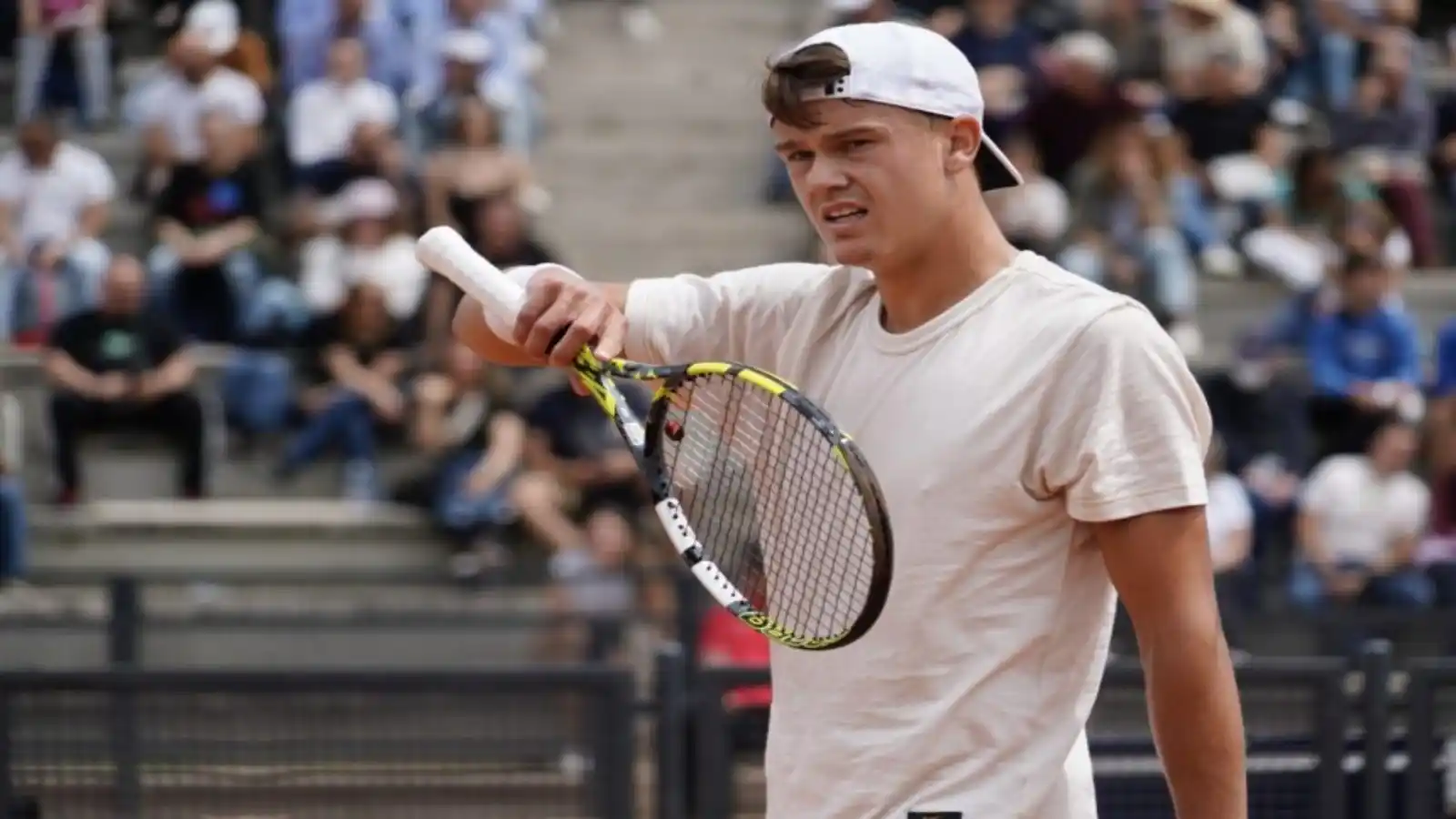
Holger Rune matters for a different reason. He returned in the Davis Cup on 18 September after 335 days out with a ruptured Achilles, now ranked No. 144, from No. 11 when he went down. On that ranking he needs a wild card or qualifying to reach a major main draw, which makes the next three months, not the fortnight in January, the part of his year that decides whether he is in Melbourne.